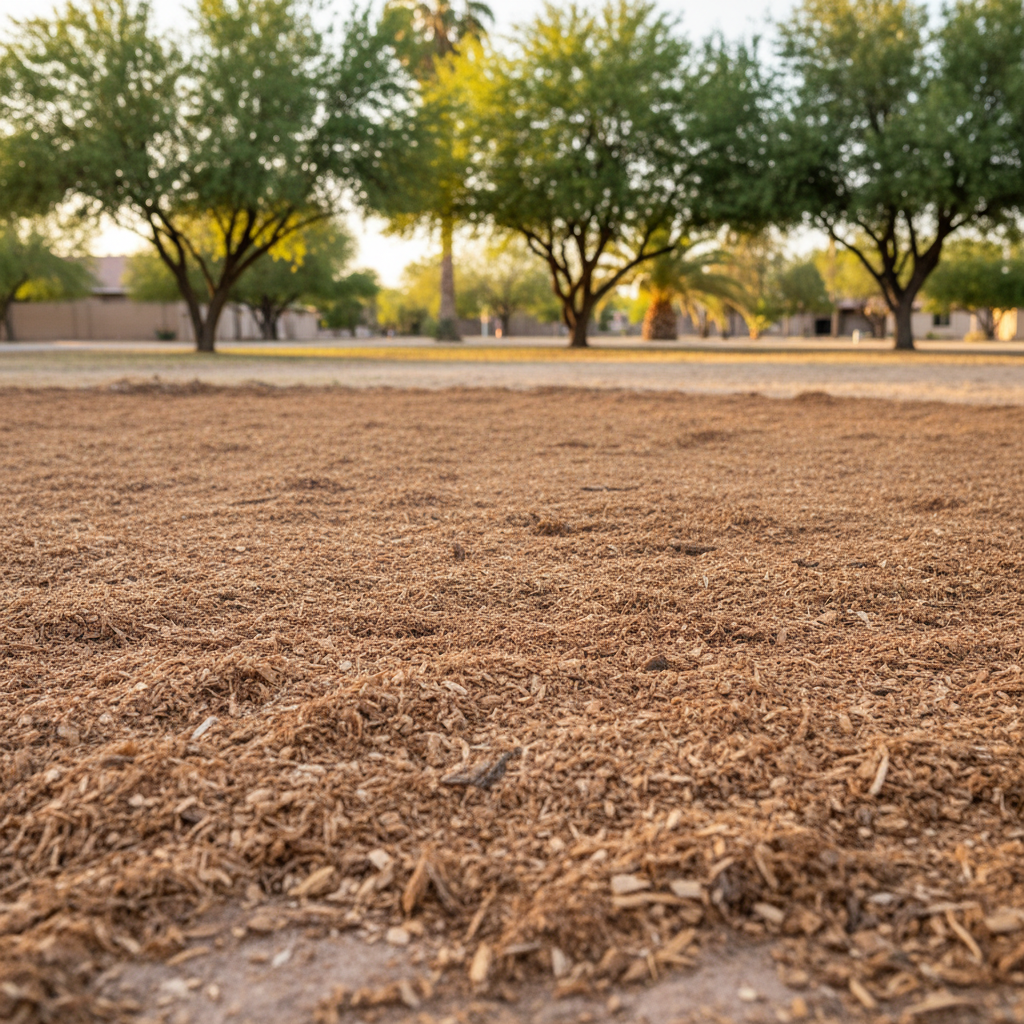
Alright, let's talk stumps. You've had a tree taken down, or maybe there's just an old one sitting there, looking like an eyesore or a tripping hazard. So, what do you do with it? Homeowners in Coolidge, AZ, ask me a lot of the same questions about stump grinding and removal. I figured it'd be helpful to just lay it all out for you. No fancy marketing talk, just the straight goods from someone who does this work every day.
What's the real difference between stump grinding and stump removal?
This is probably the most common question I get, honestly. Folks often use the terms interchangeably, but they're not the same thing at all. Stump grinding is what we do most of the time. We use a specialized machine with a rotating cutting wheel to chip away at the stump and its main root flare. We usually go about 6 to 12 inches below ground level. This process turns the stump into a pile of wood chips. It's fast, less invasive, and generally more affordable.
Stump removal, on the other hand, means digging out the entire stump and its whole root ball. That's a much bigger job, often needing heavy excavation equipment. It leaves a much larger hole and really messes with your yard. It's also more expensive because of the extra labor and machinery involved. Most of the time, grinding is all you need. You'd only opt for full removal if you're planning major construction or want to plant a new tree in the exact same spot right away.
Why should I bother getting a stump removed or ground down in Coolidge? Can't it just rot away?
You might think that stump will just disappear on its own, especially with our hot Arizona sun beating down. But here in Coolidge, with our hard, compacted caliche soil, natural decomposition can take decades. That stump isn't just an ugly obstacle; it's a magnet for trouble. Stumps can harbor pests like termites, ants, and scorpions – they just love decaying wood and can easily find their way into your home. They're also tripping hazards, especially if you've got kids or pets running around. Plus, decaying stumps can spread fungal growth and disease to other healthy plants on your property. Grinding it down eliminates these problems and frees up valuable space in your yard. Why wouldn't you?
How deep do you usually grind the stump, and why does it matter?
We typically grind stumps down 6 to 12 inches below ground level. For most homeowners, this is plenty deep enough. It gets rid of the visible stump, lets you plant grass, put in a flower bed, or just have a clear, level yard. The remaining roots below that depth will naturally decompose over time, usually within 5-10 years.
Now, if you're planning something specific, like planting a new tree right where the old one was, we'll need to go deeper—usually 10-12 inches, sometimes more. This gives the new tree's roots room to grow without competing with the old root system. If you're putting in a patio or foundation, we might go even deeper, up to 12-18 inches, to ensure a stable base. It's all about what you're trying to do with that space after we're done, really.
How long does stump grinding actually take?
Most standard stump grinding jobs don't take as long as you might think. For an average-sized stump in an accessible spot, we're usually looking at about one to two hours from start to finish. Larger stumps, especially those from mature mesquite or palo verde trees common around here, or if we're dealing with multiple stumps, will naturally take longer. Things like accessibility, the type of wood (hardwoods take a bit more effort), and the condition of the stump (a rotted stump is often quicker than a fresh, green one) can all affect the time. We'll give you a time estimate when we come out for the assessment, of course.
What happens to all those wood chips and debris after you grind a stump?
After we've ground down the stump, you'll have a pile of wood chips mixed with some soil. You've got a few options for what to do with them. We can haul them away for you, leaving you with a clean slate. Or, if you want, we can leave them on-site. These chips make excellent mulch for your garden beds, helping to retain moisture and suppress weeds—a big plus in our dry climate. You can also use them to fill in the hole where the stump was, or spread them in other areas of your yard. Just remember, they're not the same as bagged mulch from the store; they break down faster and can temporarily tie up nitrogen in the soil, so they're best for general landscaping or compost piles, not directly in vegetable gardens.
Is stump grinding safe for my yard, my pets, or my underground utility lines?
Safety is always my top priority. Before we even start the grinder, we always contact Arizona 811 (Blue Stake) to mark any underground utility lines. This is a critical step to prevent hitting water, gas, or electrical lines. We also set up protective barriers, like tarps or plywood, to contain the wood chips and debris, keeping your property, plants, and vehicles safe. Our equipment is designed to minimize disturbance to your lawn, and we use protective mats if needed. Once the job's done and the area is cleaned up, it's perfectly safe for your pets and kids to be around. We're trained professionals, and we know how to operate these machines safely and efficiently. Trying to do it yourself with rented equipment can be dangerous and ineffective, trust me.
How much does stump grinding cost in Coolidge, AZ?
The cost varies, just like with any home service. There's no one-size-fits-all answer, but I can give you a general idea. Factors like the size of the stump (diameter and height), the type of wood (some are harder to grind than others), how accessible the stump is, and whether you want the chips hauled away all play a role. Most companies, including Coolidge Tree Service, will charge a minimum fee, and then often price by the inch of the stump's diameter. For a typical residential stump, you might expect to pay anywhere from $100 to $400, but larger or more complex jobs can be more. The best way to get an accurate price is to have us come out and take a look. We'll give you a clear, honest quote so you know exactly what to expect.