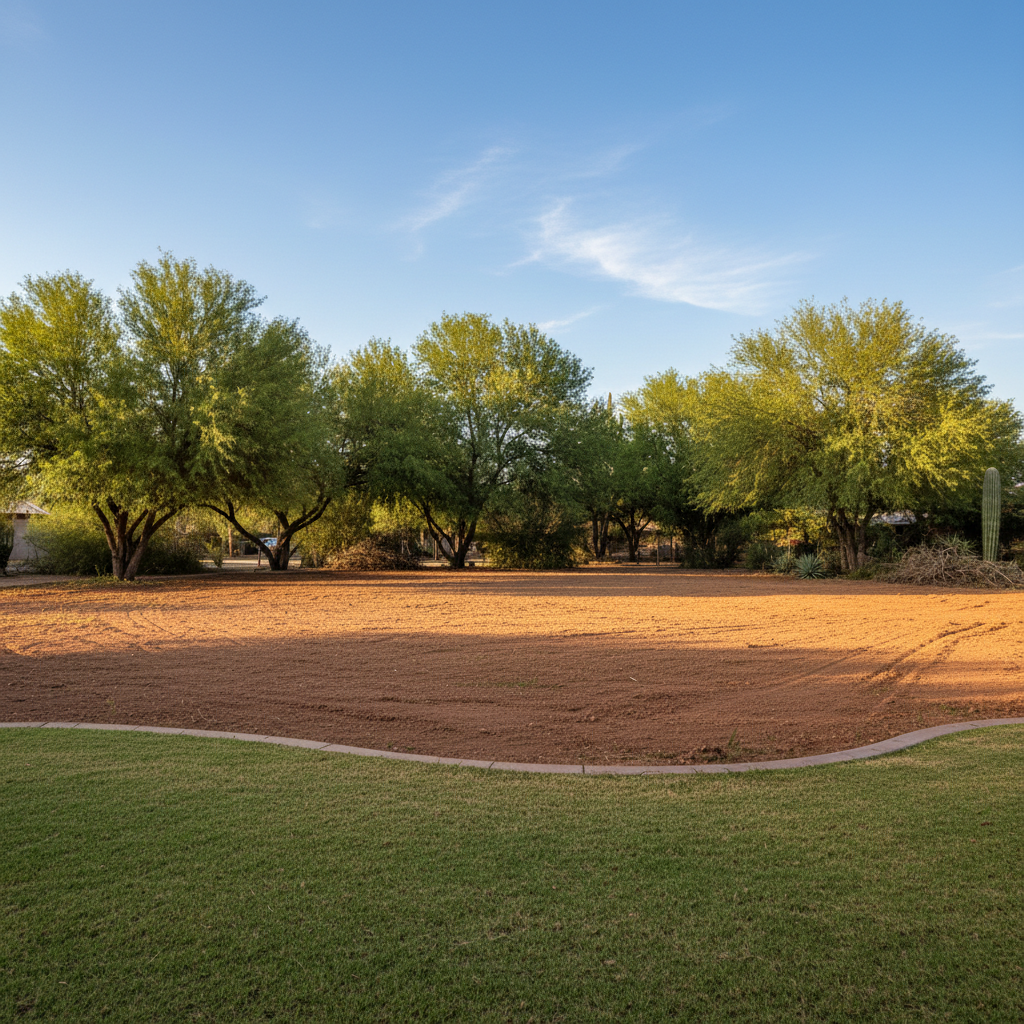
So, you've had your land cleared. Maybe you're prepping for a new build, reclaiming some overgrown acreage, or just cleaning up a mess. Whatever the reason, you've put in the work (or paid us to do it!), and now you've got a clean slate. But here's the thing: nature doesn't just stop. Especially here in Coolidge, with our intense sun and the way things can sprout up after a good rain, you can't just clear it and forget it. You've got to maintain that clear land, or you'll be back to square one faster than you think.
Extending the Life of Your Land Clearing Project
Think of land clearing like a big initial weeding. You pull out all the big stuff, but if you don't keep an eye on it, those little weeds come right back. The goal here is to make sure your investment lasts. The biggest thing you can do is prevent regrowth. That means being proactive about what tries to come back.
First off, if you're not building right away, consider what you want the land to be. If it's going to be a pasture, you'll manage it differently than if it's going to be a future construction site. For open areas, consistent mowing can be your best friend. Even if it's just once a month during the growing season, keeping new growth from getting established is key. We're talking about everything from mesquite saplings to those stubborn creosote bushes that seem to pop up everywhere around here, especially in the more rural areas outside of town. If you let them get a foot or two tall, they're already a bigger problem than if you catch them when they're just a few inches.
Another strategy is planting something else. If you're not building, maybe you want to put in some native grasses or other low-maintenance, slow-growing plants that can outcompete the undesirable stuff. Just make sure whatever you plant is suitable for our Arizona climate and won't become an invasive headache itself.
Regular Maintenance: What It Looks Like
Regular maintenance for cleared land isn't a one-and-done deal. It's an ongoing process, and it changes with the seasons. Here's what I usually tell folks:
- Seasonal Inspections: Walk your property at least once every three months, more often after heavy rains. Look for new sprouts, especially around the edges of the cleared area or in spots where the clearing might have been toughest.
- Spot Treatment: For small saplings or stubborn weeds, hand-pulling or targeted herbicide application can be very effective. Don't just spray everything; identify what you're trying to get rid of.
- Mowing/Brush Hogging: If you have a larger area, regular mowing with a brush hog (or hiring someone with one) is crucial. This keeps woody plants from getting established and helps maintain a uniform, clear appearance. How often depends on how fast things are growing, but usually a few times a year will do the trick.
- Debris Management: Even after clearing, you might find small branches or rocks surfacing, especially after heavy winds or rain. Keep these cleared to prevent hazards and maintain a tidy look.
Remember, the goal is to prevent things from getting out of hand. A little bit of effort regularly saves you a lot of headache and expense down the road.
Warning Signs You've Got a Problem Brewing
You'll know things are starting to go south if you see:
- Rapid Regrowth: If you're seeing small trees and shrubs popping up everywhere, not just a few isolated spots, that's a sign you're losing the battle.
- Dense Undergrowth: If the ground cover starts getting thick and hard to walk through, especially with thorny plants, you've got a problem.
- Erosion: Sometimes, clearing land can expose soil to our intense sun and heavy monsoon rains. If you see channels forming or soil washing away, that's a big red flag. It means the ground isn't stable, and vegetation might be needed to hold it in place.
- Pest Infestations: Overgrown areas can become havens for pests like rodents, snakes, and scorpions. If you notice an increase in these critters, your land might be getting too wild again.
Catching these early makes a huge difference. Don't let a small patch of mesquite turn into a forest again.
When to Call a Professional (Like Us at Coolidge Tree Service)
Look, I'm all for DIY, but there are times when you need to bring in the pros. You should definitely give us a call if:
- The Regrowth Is Too Much: If you're looking at saplings that are already several feet tall, or large areas of dense brush, your lawnmower isn't going to cut it. We have the heavy equipment – like mulchers and grinders – to tackle that efficiently and safely.
- You're Dealing with Hazardous Trees: Sometimes, even after clearing, a few larger trees might have been left for shade or aesthetics. If these start to look unhealthy, have dead branches, or are leaning, they could become a hazard. Don't try to take down a big tree yourself; it's just not worth the risk.
- You Need Stump Grinding: If you've got old stumps that are sprouting or just getting in the way, stump grinding is the best way to get rid of them completely. It's a specialized job that requires specific equipment.
- You're Planning New Construction: If you're finally ready to build, you'll want the land perfectly prepped. That often means a final, thorough clearing and grading, which is definitely a job for experienced professionals.
- You're Seeing Erosion Issues: If you've got significant erosion, we can help assess the situation and recommend solutions, which might involve strategic planting or even minor grading to manage water flow.
Maintaining cleared land isn't glamorous, but it's essential. A little regular effort keeps your property looking good, usable, and prevents bigger, more expensive problems down the road. If you're ever unsure, or if the job just gets too big for you, don't hesitate to reach out. We're here to help keep Coolidge beautiful and safe.