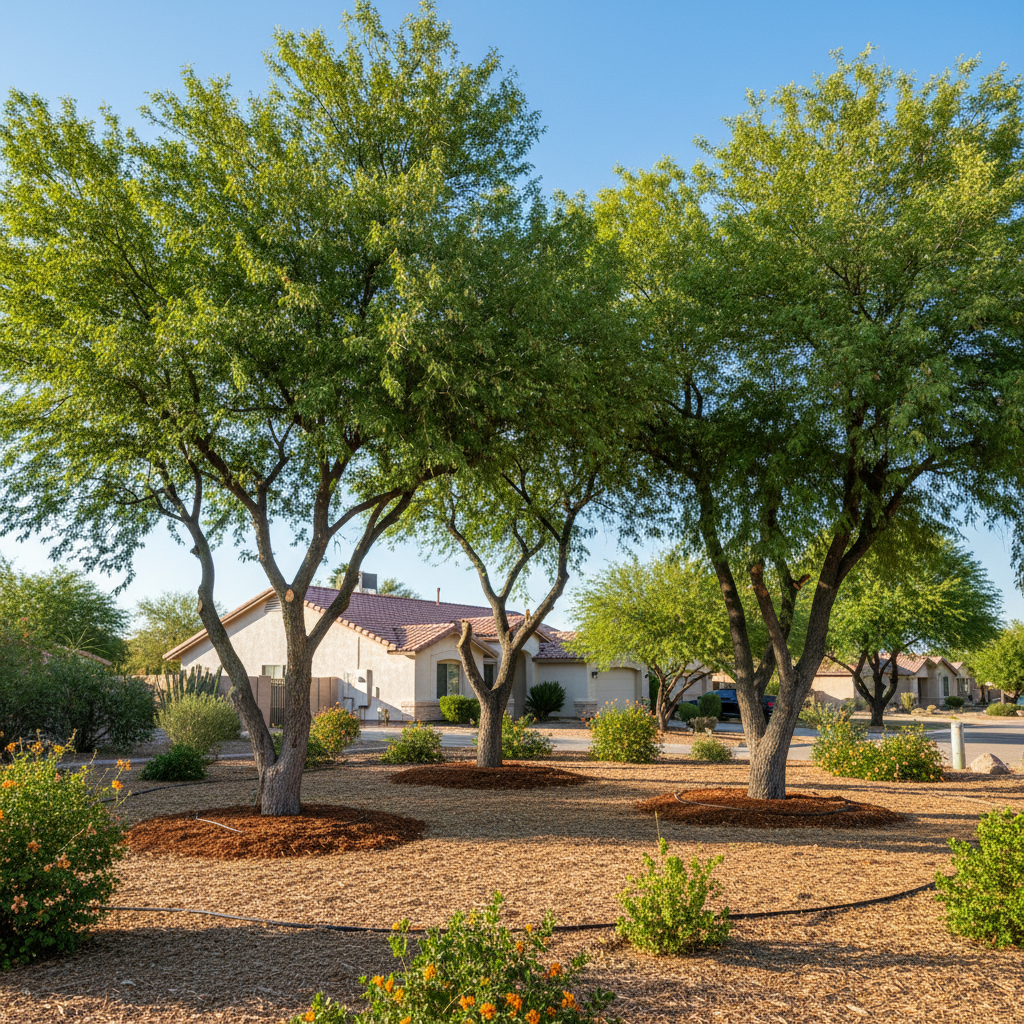
Got a tree that's looking a bit sad, or maybe you're just trying to keep your yard looking sharp? So you decide it's time to call in some help. But here's what I've seen over the years right here in Coolidge: too many folks make some pretty common, and often expensive, mistakes when they're trying to get their trees healthy or just properly maintained.
Mistake #1: Thinking All Tree Work is Just 'Cutting Branches'
This is probably the biggest one out there. You spot a branch hanging low, or a tree looks overgrown, and you think, 'Just cut it back.' But proper tree care, especially for its health, is way more involved than just hacking away. It’s about understanding a tree's biology, how it grows, and how to make cuts that help it heal, not get sick. A good arborist looks at the whole tree, its surroundings, and what's truly best for its long-term health. They aren't just lopping off limbs; they're performing surgery, really.
For example, you might think a big shade tree in your backyard needs a severe topping to let more light in. But topping, which means cutting main branches back to stubs, is one of the worst things you can do. It stresses the tree, makes it grow weak, fast-growing shoots, and leaves it wide open to disease and pests. I see this a lot in some of the older neighborhoods around town where people tried to 'manage' their trees themselves years ago, and now those trees are really struggling.
Mistake #2: Hiring the Cheapest Bid Without Checking Credentials
Everyone wants to save a buck, and I totally get that. But with tree work, the cheapest bid can often end up costing you a whole lot more down the road. I've heard horror stories from folks who hired someone with just a pickup truck and a chainsaw, only to have their tree butchered, their property damaged, or worse — the 'contractor' vanishes after taking a deposit. You wouldn't hire an unlicensed doctor for surgery, would you? Think of tree care the same way.
Here's what you absolutely need to ask for:
- Proof of Insurance: This isn't negotiable. They need general liability insurance to cover damage to your property and workers' compensation insurance if they have employees. If they don't have it, and someone gets hurt or your fence gets crushed, you could be on the hook for everything.
- Certifications: Look for ISA Certified Arborists. This means they've passed tough exams and genuinely know their stuff. It's a professional standard that shows real commitment and knowledge.
- References: Any reputable company will be happy to give them to you. Call a few and ask about their experience.
- Written Estimate: Get absolutely everything in writing. What's included? What's not? How will they clean up the mess?
Don't just go by price alone. Go by value, reputation, and safety. A good company like Coolidge Tree Service invests in training, proper equipment, and insurance, and that costs money. You're paying for a job done right, and frankly, a bit of peace of mind.
Mistake #3: Ignoring the Root of the Problem (Literally)
Sometimes, a tree looks sick, and you might think it's just a branch issue or a pest on the leaves. But often, the real problem starts underground. Here in Coolidge, with our hard, sometimes caliche-rich soil, root issues are pretty common. Compacted soil, incorrect watering, or even construction damage can starve roots of oxygen and nutrients, leading to the tree declining up top.
A good arborist won't just look up; they'll look down. They'll ask about your watering habits, any recent construction, or changes to the landscape around the tree. They might recommend soil aeration, deep root fertilization, or even adjusting your irrigation to deal with the actual problem, not just the symptoms you see above ground.
Mistake #4: Waiting Until It's an Emergency
I see this happen constantly. A tree is clearly declining, branches are dead, or it's leaning precariously, but homeowners put off calling until a big monsoon storm rolls through, and a limb comes crashing down. Emergency tree work is always more expensive and usually more dangerous. It's kind of like putting off car maintenance until your engine seizes up on I-10, isn't it?
Regular inspections, especially after a tough summer or a windy spring, can catch problems early. If you notice dead branches, unusual leaf discoloration, fungal growth on the trunk, or cracks in the bark, don't wait. Get a professional opinion. Proactive care saves money and prevents a lot of headaches.
Mistake #5: Not Understanding the Local Climate and Tree Species
What works for a tree in Oregon isn't going to work for a tree here in the Sonoran Desert. Our intense heat, low humidity, and specific soil conditions mean certain trees thrive, and others just struggle. You might see a beautiful tree in a magazine and want to plant it, but if it's not suited for our climate, you're setting yourself up for a lot of frustration and expense.
Similarly, different local tree species, like Mesquites, Palo Verdes, or even citrus trees, have unique needs. Pruning a Mesquite is a whole different ballgame than pruning an Ash, for instance. A knowledgeable local tree service understands these nuances. They can tell you why your citrus might be struggling in our alkaline soil or why that one shade tree is always dropping leaves, even in summer. It's about working with nature, not against it.
So, next time you're thinking about tree work, take a breath. Do your homework. Ask the right questions. Your trees, and your wallet, will definitely thank you for it.