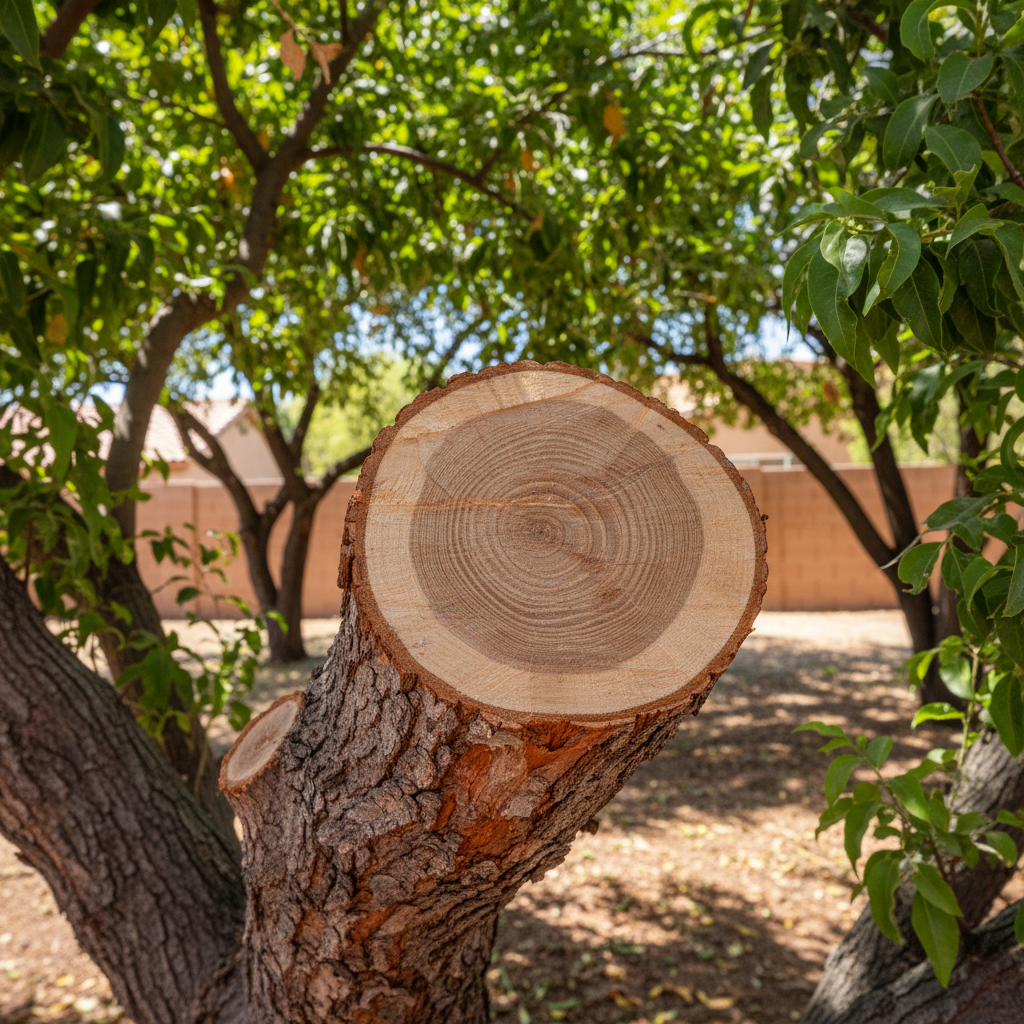
Alright, let's talk about pruning your trees. It's not just about making them look pretty, you know; it's about keeping them healthy, safe, and growing strong. But there's a right way and a wrong way to do it. And trust me, I've seen plenty of both around Coolidge over the years.
Before You Even Think About Cutting
First things first, you gotta know what you're dealing with. Different trees have different needs. A mature mesquite out in the desert-adapted yards of Anthem at Merrill Ranch will need a different approach than a younger citrus tree in an older, established neighborhood. Before you make a single cut, ask yourself:
- Why am I pruning? Are you removing dead branches? Improving air circulation? Maybe shaping the tree? Or encouraging fruit production? Your 'why' dictates your 'how'.
- What kind of tree is it? Knowing the species helps you understand its natural growth habit and the best time to prune. For instance, you should prune most flowering trees right after they bloom, while many deciduous trees are best pruned in their dormant season (winter).
- How big is the branch? If it's thicker than your wrist, you're probably getting into pro territory. More on that in a bit.
- What tools do I need? For small stuff, hand pruners or loppers are fine. Anything bigger, and you're looking at pole pruners, hand saws, or even chainsaws. Make sure your tools are sharp and clean, by the way. Dull tools tear bark and leave ragged wounds, which is an open invitation for pests and diseases.
And for crying out loud, look up! Are there power lines nearby? If so, stay clear. Seriously, don't mess with power lines. That's a job for the utility company, not you.
What You Can (and Should) Do Yourself
For the average homeowner, there's definitely some pruning you can handle. This is usually about maintenance and minor shaping. Think of it as tidying up, really.
- Removing dead or diseased branches: This is probably the most common and safest DIY task. If a branch is clearly dead (no leaves, brittle, discolored) or shows signs of disease (fungus, cankers), get rid of it. Cut back to healthy wood, making sure not to leave a stub.
- Getting rid of crossing or rubbing branches: Branches that rub against each other can create open wounds, which are entry points for pests and diseases. Pick the stronger, better-placed branch and remove the weaker or poorly angled one.
- Suckers and watersprouts: These are those fast-growing, vertical shoots that pop up from the base of the tree (suckers) or along branches (watersprouts). They don't usually contribute to the tree's health or structure; they just suck energy. Snip 'em off close to their origin.
- Lower limb removal for clearance: If a lower branch is blocking a walkway or rubbing against your roof, and it's small enough (again, wrist-sized or less), you can carefully remove it. Make sure your cut is just outside the branch collar – that slightly swollen area where the branch meets the trunk.
Always make clean cuts. Don't leave stubs, and don't cut flush with the trunk, which can damage the trunk's protective tissue. It's called the 'three-cut method' for larger branches to prevent bark tearing, even on the smaller stuff you're doing yourself.
When It's Time to Call a Pro (Like Us at Coolidge Tree Service)
Look, I'm all for homeowners taking pride in their property. But some jobs are just too big, too dangerous, or too technical for a DIY approach. This is where you need to pick up the phone.
- Large branch removal: If a branch is heavy, high up, or requires a ladder, don't risk it. Falling branches can cause serious injury or property damage. Plus, making the wrong cut on a big branch can seriously harm the tree's long-term health and stability.
- Major structural pruning: If your tree needs significant shaping, thinning, or crown reduction to improve its overall structure or health, that's a job for someone who understands tree biology and proper pruning techniques. Incorrect cuts can lead to weak growth, disease, or even the tree's demise.
- Trees near power lines or structures: As I said before, power lines are a no-go. And if a tree is overhanging your house, garage, or a neighbor's property, the risks of a DIY job are just too high.
- Any tree that looks sick or unstable: If you've got a tree that's leaning, has large cracks, or shows signs of extensive decay, don't try to fix it yourself. An arborist can assess the tree's health and stability and recommend the safest course of action.
- Palm tree pruning: Palm fronds are heavy, and getting up there safely requires specialized equipment and experience.
After the Cut
Once the pruning is done, whether by you or a pro, just keep an eye on the tree. Make sure the cuts are healing well. You don't need to apply any wound dressings or paints; trees heal best on their own. Just ensure it's getting enough water, especially during our hot Arizona summers, and keep an eye out for any signs of stress or disease. Proper pruning helps your trees thrive, making your property safer and more beautiful for years to come.